Electrical Panel Replacement: What an Assessment Reveals About Your Home's System
An electrical panel, often called a service panel or fuse box, is the central distribution point for your home's electrical system. When an electrician performs an assessment of this panel, they are not merely looking at a metal box on the wall. They are evaluating the health, capacity, and safety of the entire electrical setup. Understanding what goes into this check can help you make informed decisions about repairs or a full electrical panel replacement.
The Purpose of an Electrical Panel Assessment
An assessment is a thorough inspection of the panel enclosure and everything inside it. The electrician checks the condition of the main breaker, individual circuit breakers, and the bus bars that carry power to each circuit. They look for signs of wear, corrosion, heat damage, or improper installation. The goal is to determine whether the panel can safely handle your current electrical needs and whether it meets modern code requirements.
Key Components an Electrician Checks
1. The Main Breaker and Service Disconnect
The main breaker is the largest switch in the panel. It shuts off all power to the house. The electrician checks its rating to see if it matches the home's electrical capacity. They also test its operation, looking for any sticking or signs of arcing. A main breaker that is too small for the home's load can trip frequently, while one that is too large may not trip during an overload, creating a fire risk.
2. Individual Circuit Breakers
Each breaker in the panel protects a specific circuit, such as kitchen outlets or bedroom lights. The electrician examines them for physical damage, such as cracked casings or discolored plastic from heat exposure. They also verify that each breaker is properly sized for the wire gauge it serves. A common issue is a 20-amp breaker on wiring rated for 15 amps, which can lead to overheating. The assessment often includes checking for double-tapped breakers, where two wires are connected to one terminal, a code violation that can cause loose connections and arcing.
3. Bus Bars and Wiring Connections
Inside the panel, two metal strips called bus bars distribute power from the main breaker to each branch breaker. The electrician inspects these for corrosion, pitting, or burn marks. Corroded bus bars can create high resistance, leading to heat buildup and potential failure. They also check all wire connections, ensuring they are tight and properly torqued. Loose connections are a leading cause of electrical fires, so this step is critical.
4. The Panel Enclosure and Clearance
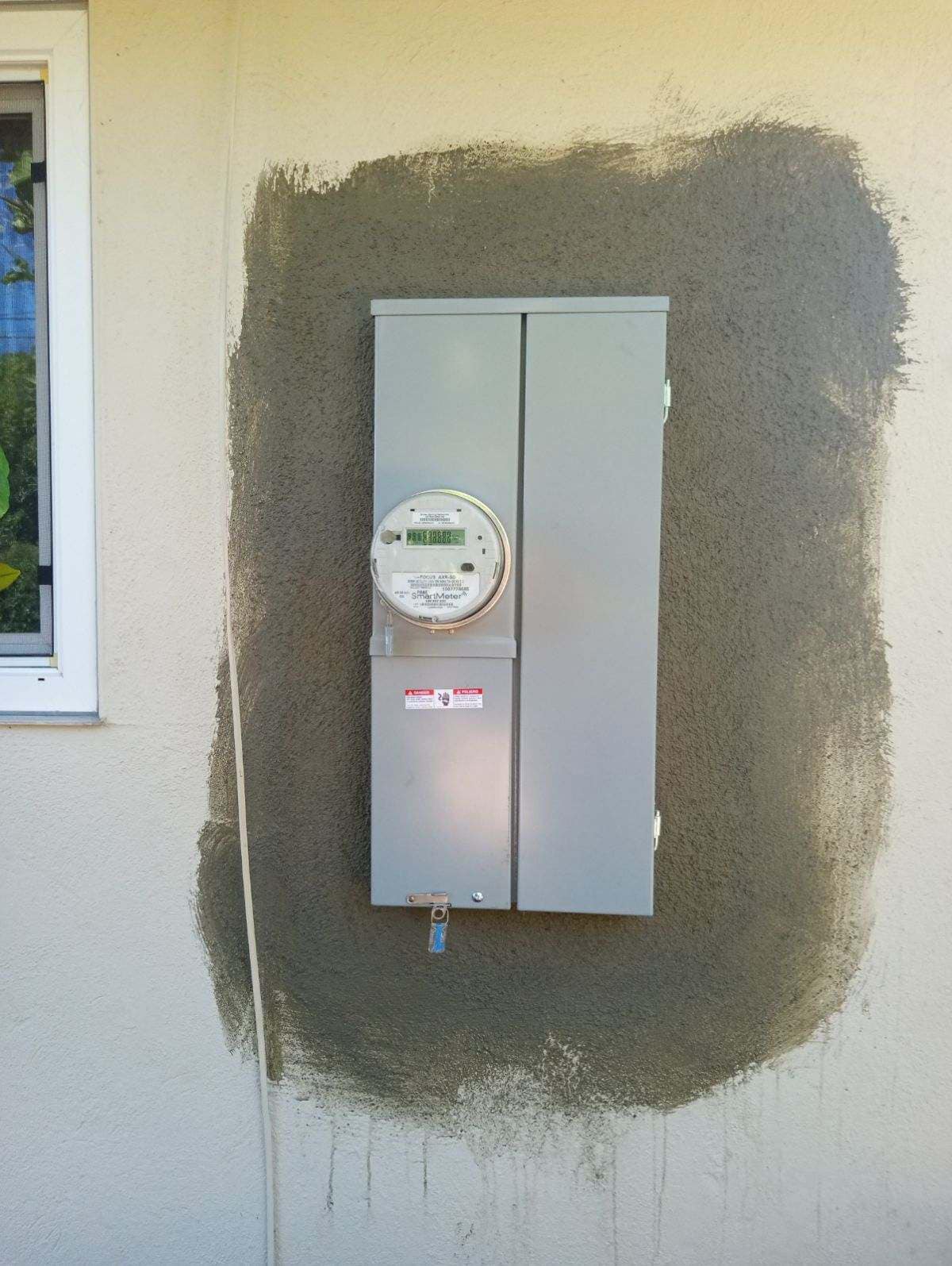
The metal box that houses the breakers must be in good condition, free from rust or dents. The electrician checks that the panel cover fits securely and that all knockout holes are plugged. They also measure the clearance around the panel. National electrical codes require a working space of at least 30 inches wide and 36 inches deep in front of the panel. If storage or shelves block this space, it is a safety hazard and a code violation.
Signs That Point to Needed Replacement
Not every issue found during an assessment means you need a new panel. Some problems, such as a loose breaker or a damaged wire, can be repaired. But certain findings strongly indicate that a full electrical panel replacement is the safer and more practical choice.
- Frequent tripping or nuisance tripping. If breakers trip without an obvious overload, the panel may be aging or undersized.
- Visible corrosion or rust. Moisture inside the panel can cause corrosion on bus bars and connections, which only worsens over time.
- Heat damage or burn marks. Discolored plastic around breakers or melted insulation on wires suggests overheating that has already occurred.
- Outdated technology. Older panels may use fuses instead of circuit breakers, or may lack arc-fault circuit interrupters (AFCIs) now required in most new homes.
- Insufficient capacity. If your home has added large appliances like an electric car charger or a heat pump, the panel's rating may be too low to handle the additional load safely.
When any of these conditions are present, the electrician will typically recommend an electrical panel replacement to restore safety and reliability.
What an Assessment Means for You
For a homeowner, the assessment provides a clear picture of your electrical system's condition. It tells you whether your current panel is safe, how much capacity it has, and whether it can support future upgrades. If you are planning to add solar panels, an EV charger, or a new kitchen, the assessment will show whether the panel needs to be upgraded first. This knowledge helps you budget and plan without surprises.
The assessment also addresses common safety concerns. Many older panels lack modern safety features such as ground-fault circuit interrupters (GFCIs) near water sources or AFCIs that detect dangerous arcing. An electrician can point out these gaps and explain how an electrical panel replacement can bring your home up to current standards. They may also check if the panel is properly bonded and grounded, which is essential for protecting against electrical shock.

How the Assessment Fits Into a Replacement Project
If the assessment concludes that replacement is necessary, the findings guide the entire project. The electrician knows the exact panel size, breaker configuration, and capacity needed. They also identify any additional work required, such as upgrading the service entrance cable or installing a new meter main. This upfront evaluation prevents costly mid-project changes and ensures the new panel meets your home's specific demands.
For residents in Santa Clara and nearby Bay Area communities, Wooding Electric provides electrical panel assessments, upgrades, replacements, and related capacity work. Their assessments follow the same thorough process described here, helping homeowners understand the condition of their electrical system before making any decisions.
What to Expect During the Visit
The assessment itself is non-invasive. The electrician will turn off the main breaker to safely open the panel. They then remove the cover and visually inspect all components. They may use a thermal camera to detect hot spots invisible to the naked eye. They check for signs of pests, moisture intrusion, or previous amateur repairs. The entire process usually takes 30 minutes to an hour, depending on the panel's age and condition. Afterward, you receive a detailed report explaining their findings and any recommended actions.
It is important to note that the electrician will not perform any repairs during the assessment. They are there to evaluate, not to fix. If they find a dangerous condition, such as a live wire touching the panel enclosure, they may recommend turning off that circuit until a repair can be scheduled. But routine assessments are purely diagnostic.
When to Schedule an Assessment
There is no single right time for an electrical panel assessment. Common triggers include buying an older home, noticing flickering lights or tripping breakers, or planning a major renovation. Some homeowners schedule one as a proactive safety check every ten to fifteen years, especially if the panel is original to a house built before 1990. If you have never had your panel inspected, it is worth considering, even if you are not experiencing problems. Many issues develop slowly, and catching them early can prevent an emergency later.
In summary, an electrical panel assessment is a focused inspection that reveals the true condition of your home's electrical distribution system. It checks for safety hazards, capacity limits, and code compliance. For anyone considering an electrical panel replacement, the assessment provides the essential information needed to choose the right solution. Understanding what an electrician checks during this process empowers you to ask informed questions and make confident decisions about your home's electrical system.
Corrections
Spot something wrong? Send it to the desk and it gets fixed in the open.